Newsletter Subscribe
Enter your email address below and subscribe to our newsletter

 ByJohn A
Businesses rely on computers, laptops, servers, storage devices, networking equipment and other technology to manage daily operations. However, as technology develops, these assets eventually become outdated, damaged, inefficient or unnecessary. When this happens, businesses need a responsible way to manage equipment that has reached the end of its useful life.
IT asset disposal is the process of retiring, reusing, reselling, recycling or securely destroying unwanted information technology equipment. It involves more than simply removing old devices from an office. Businesses must also consider data security, environmental responsibility, regulatory requirements and the value that unused equipment may still hold.
Understanding how IT asset disposal works helps organisations reduce risks, protect sensitive information and manage technology resources more effectively.
IT asset disposal refers to the systematic process of removing unwanted or obsolete IT equipment from business operations. It includes identifying equipment that is no longer required, assessing its condition, protecting the data stored on it and determining the most appropriate disposal method.
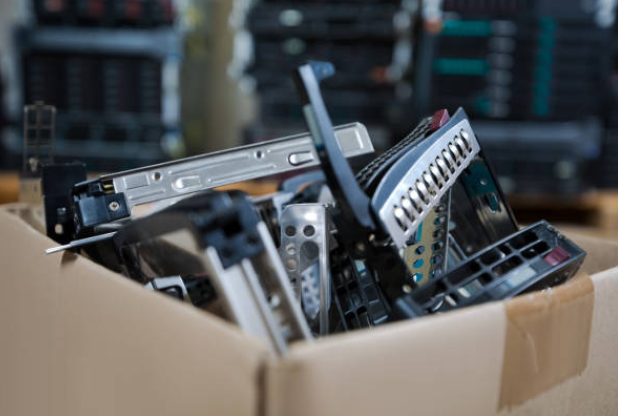
IT assets can include:
The disposal process depends on the equipment’s condition, the type of information it contains and whether it can be reused safely.
For example, a working laptop may be suitable for refurbishment or resale after secure data sanitisation. A damaged storage device containing sensitive information may require specialised destruction if its data cannot be reliably erased.
Proper disposal practices help businesses manage several operational, security and environmental concerns.
IT equipment often stores confidential information, including employee records, financial documents, customer details, business communications and internal reports. Removing files or performing a factory reset does not always guarantee that the information has been permanently erased.
If a device leaves the organisation without appropriate data sanitisation, another person may recover information from its storage media.
A structured disposal process helps reduce this risk by identifying data-bearing devices and applying suitable erasure or destruction methods. Businesses should also maintain records showing how sensitive devices were handled.
Improperly discarded equipment can become a potential source of data exposure. Lost devices, unsecured storage drives and equipment sold without adequate data removal may expose confidential information.
A data breach can result in financial losses, operational disruption, legal complications and damage to business relationships.
IT asset disposal procedures help establish clear responsibilities for collecting, tracking, securing and processing retired equipment. Limiting access to devices during disposal also reduces opportunities for unauthorised handling.
Many organisations must follow privacy, information security and electronic waste management requirements. Depending on their industry and location, they may also have specific obligations concerning the retention, protection and destruction of records.
IT asset disposal can support these responsibilities by ensuring that devices containing sensitive information are handled appropriately.
Businesses should identify the regulations that apply to their operations before disposing of equipment. They should also maintain suitable documentation, including asset inventories, data sanitisation records and certificates of destruction where applicable.
Electronic equipment contains materials that can harm the environment if it is discarded irresponsibly. Some devices also contain valuable materials that can be recovered through suitable recycling processes.
Responsible IT asset disposal encourages reuse, refurbishment and recycling wherever practical. Equipment that remains functional may be redeployed, while devices that cannot be reused can be directed towards appropriate electronic waste processing.
These practices help reduce the amount of equipment sent to landfill and support more responsible resource management.
An effective disposal process follows a structured sequence of activities to ensure that equipment is handled securely and efficiently.
The first step is to identify all equipment that is no longer required. Businesses should record important details such as asset type, serial number, location, condition and assigned department.
Maintaining an accurate inventory helps prevent devices from being misplaced and ensures that every asset is accounted for throughout the disposal process.
Once identified, each asset should be inspected to determine whether it can be reused, repaired, refurbished, resold or recycled.
Working equipment may retain operational or resale value. Devices that are damaged or technologically obsolete may require recycling or other appropriate disposal methods.
The assessment should also identify whether the equipment contains storage media or sensitive business information.
Data security is one of the most important stages of IT asset disposal. Businesses should determine which devices contain information and select a suitable sanitisation method.
Depending on the storage technology and security requirements, this may involve secure data erasure, cryptographic erasure where appropriate, or physical destruction.
The method must be suitable for the device and the sensitivity of its data. Verification is also important to confirm that the chosen process has achieved its intended result.
After assessing the equipment and addressing data security, businesses can select the most suitable disposal route.
Common options include:
The correct choice depends on the asset’s condition, data sensitivity, environmental considerations and organisational policies.
Businesses should document the equipment processed, the methods used and the final outcome. Records may include asset identifiers, collection dates, sanitisation results, transfer details and destruction certificates where applicable.
These records provide accountability and help organisations demonstrate that their disposal procedures have been followed.
Failing to manage retired equipment properly can create several avoidable problems.
Devices containing recoverable information may expose confidential records if they are transferred, sold or discarded without adequate sanitisation.
A security incident involving improperly disposed equipment may lead to investigation costs, potential penalties, remediation expenses and other financial consequences.
See also: AI in Search Personalization
Businesses may discard functional devices that could have been reused or resold. Without an assessment process, they can miss opportunities to recover value from existing technology.
Sending electronic equipment into unsuitable waste streams can contribute to pollution and unnecessary resource consumption. Responsible recycling helps reduce these environmental risks.
Businesses can improve their disposal procedures by adopting consistent policies and assigning clear responsibilities.
Create documented guidelines explaining when assets should be retired, who approves disposal and how equipment must be handled. The policy should cover data sanitisation, reuse, recycling and recordkeeping.
Choose sanitisation methods according to the type of storage media and the sensitivity of the information. Ensure that the process is verified and documented.
Maintain an accurate inventory and record each asset’s movement from collection to its final destination. This reduces the risk of loss and unauthorised access.
Assess whether equipment can be redeployed, refurbished or resold before deciding to recycle or destroy it. Reuse can extend equipment life, while appropriate recycling supports responsible resource recovery.
Technology, security risks and regulatory requirements change over time. Regular reviews help businesses identify weaknesses and update their disposal practices as needed.
IT asset disposal is an essential part of responsible technology management. It helps businesses protect sensitive information, reduce data security risks, support compliance, recover value from usable equipment and minimise electronic waste.
By establishing clear procedures for asset identification, data sanitisation, equipment assessment and final disposal, organisations can manage retired technology with greater confidence. A consistent approach also improves accountability and reduces the likelihood of preventable security and environmental problems.
Ultimately, effective IT asset disposal allows businesses to handle outdated equipment securely while making better use of their technology resources.