Newsletter Subscribe
Enter your email address below and subscribe to our newsletter

 ByJohn A
Digital records can describe an offshore supply operation in considerable detail, but volume alone does not make the information useful for a new vessel project. A designer needs to understand what each record represents, which conditions produced it, and how closely the historical operation matches the proposed service.
The first task is therefore interpretation. Cargo records, schedules, and operating logs should be connected through a clear description of the assignment. A carefully defined dataset can support discussion; a large collection of unexplained numbers may conceal the assumptions that most need attention before concept selection.
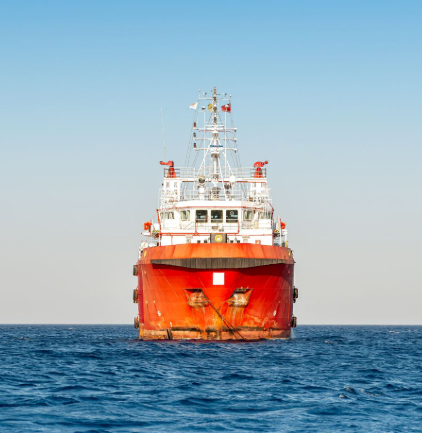
For owners evaluating a psv vessel, Sirius Design & Integration’s platform-supply page provides a point of reference for concept discussions. Bring an account of the underlying logistics as well as the data. Explain which patterns are established, which are changing, and which future requirements cannot be inferred from past activity alone.
Agree whether a record represents an individual cargo item, a delivery, a voyage, or another event. Similar labels can describe different levels of activity in separate systems. State the time period and locations covered before combining records.
Keep identifiers that allow important relationships to be checked. A delivery should be connectable to its assignment where that matters to the analysis. Avoid aggregating so early that the original sequence disappears. The design team needs an understandable picture of operations, not simply a total whose components can no longer be examined.
A schedule records an intention; an operating log may describe what happened. Preserve both where available and identify them clearly. Combining the two without distinction can make a proposed profile look more certain than the evidence supports.
Ask why important differences occurred before treating them as representative. Some may reflect a recurring requirement, while others may belong to a special circumstance. Keep those explanations with the data rather than leaving them in a separate conversation. Context helps the team decide which patterns deserve a place in the future design basis.
An annual cargo total cannot explain every assignment a vessel must support. Identify representative combinations and sequences that the technical team should examine. Ask which additional information is required to assess them appropriately.
Keep demanding cases identifiable without presenting every maximum as though it occurs simultaneously. Conversely, do not let an average conceal an operating case central to the service. A useful dataset supports questions about both typical activity and important exceptions. The engineer responsible for the assessment should determine how those cases are evaluated within the design work.
Use a clear convention for unavailable records and explain what is known about their absence. Do not replace missing values with zero merely to simplify a calculation. Keep estimates labelled and document how they were produced.
Review incomplete areas with people familiar with the operation. Their knowledge can identify follow-up questions, but recollections should remain distinguishable from measured records. Where a gap could affect concept selection, ask whether additional data collection is justified. This is more useful than attaching false precision to an assumption because a presentation requires a complete table.
Work with planners and technical specialists to translate the evidence into a small set of reviewable scenarios. Explain what each case represents and which inputs came from history. Keep proposed changes explicit, including additions that have no direct historical equivalent.
Ask the owner to approve the interpretation before it becomes a fixed requirement. A data analysis should not silently make commercial decisions about the future service. The operating cases belong within an agreed brief, supported by the records and reasoning that produced them rather than detached charts with no visible assumptions.
Agree a review date for the operating cases if procurement or contracting takes longer than expected. Historical information may remain accurate while the future service changes. Rechecking the interpretation is therefore different from simply confirming that the original export has not been altered.
Retain the original records, transformations, and approved interpretation together. Make calculation steps understandable and record exclusions. A later reviewer should be able to explain how the design basis was derived without reproducing every conversation from the project.
Good logistics data supports better questions about a vessel’s mission. It helps teams distinguish routine activity from exceptions, evidence from estimates, and past operations from future ambitions. The value comes from those distinctions and the decisions they inform. When the data trail remains clear, a concept can be reviewed against a practical operating picture instead of a collection of numbers selected mainly because they were easy to export.